What Is Knee Arthroscopy? What Conditions Can It Treat?
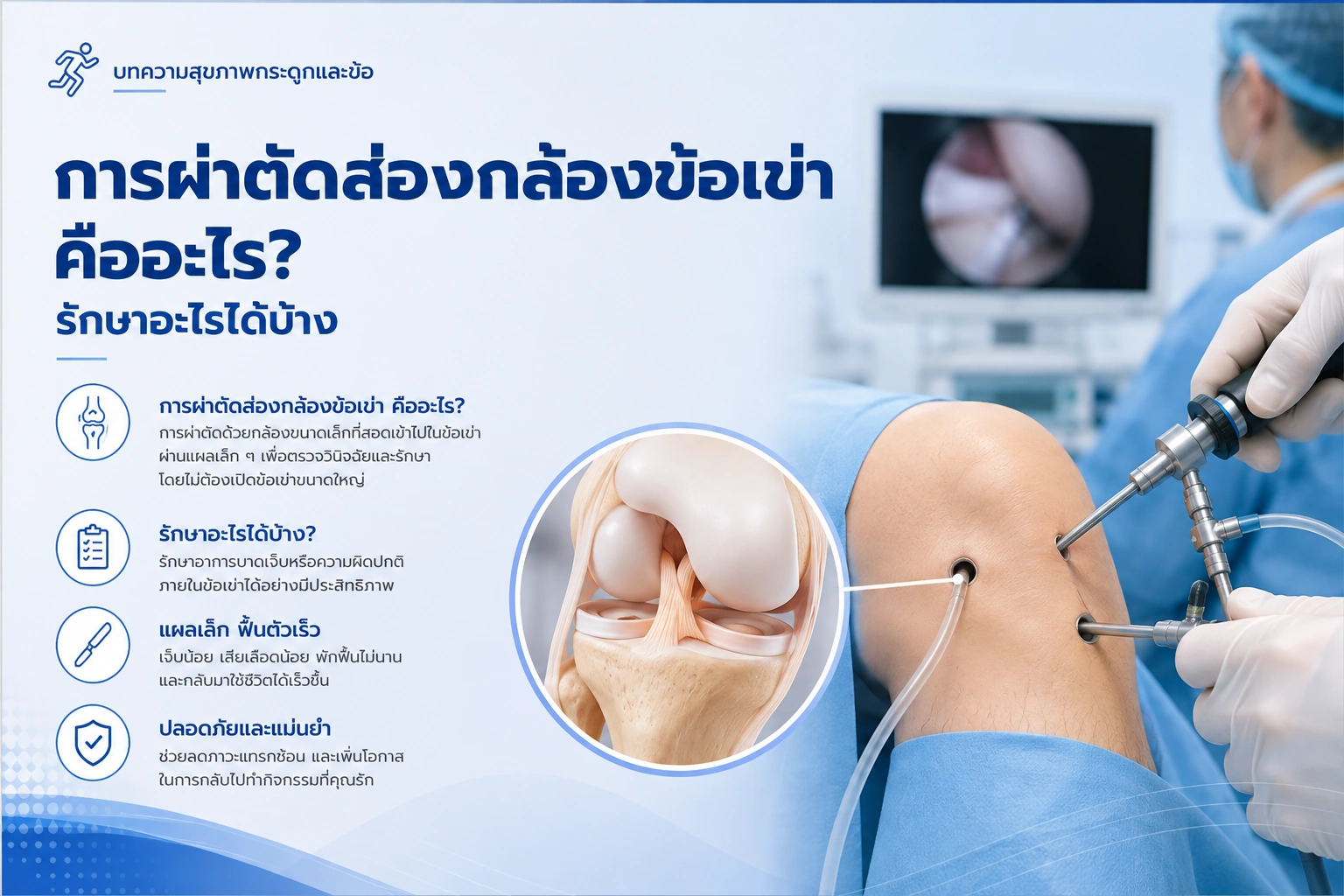
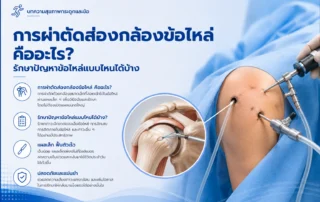
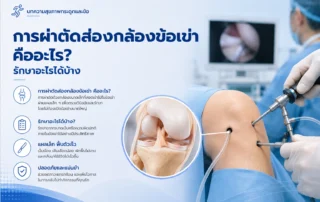
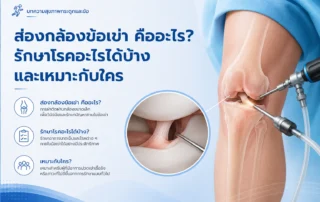
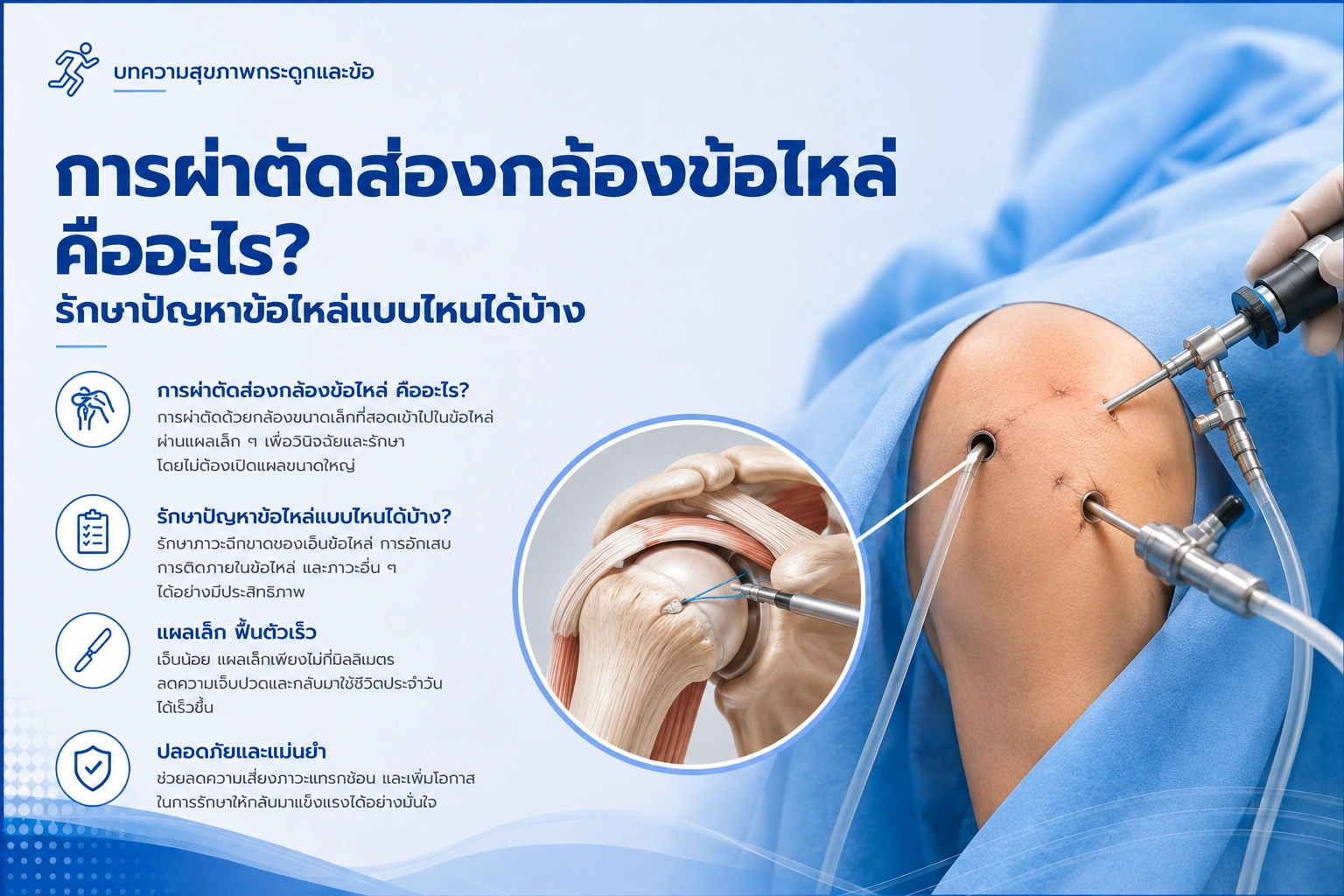
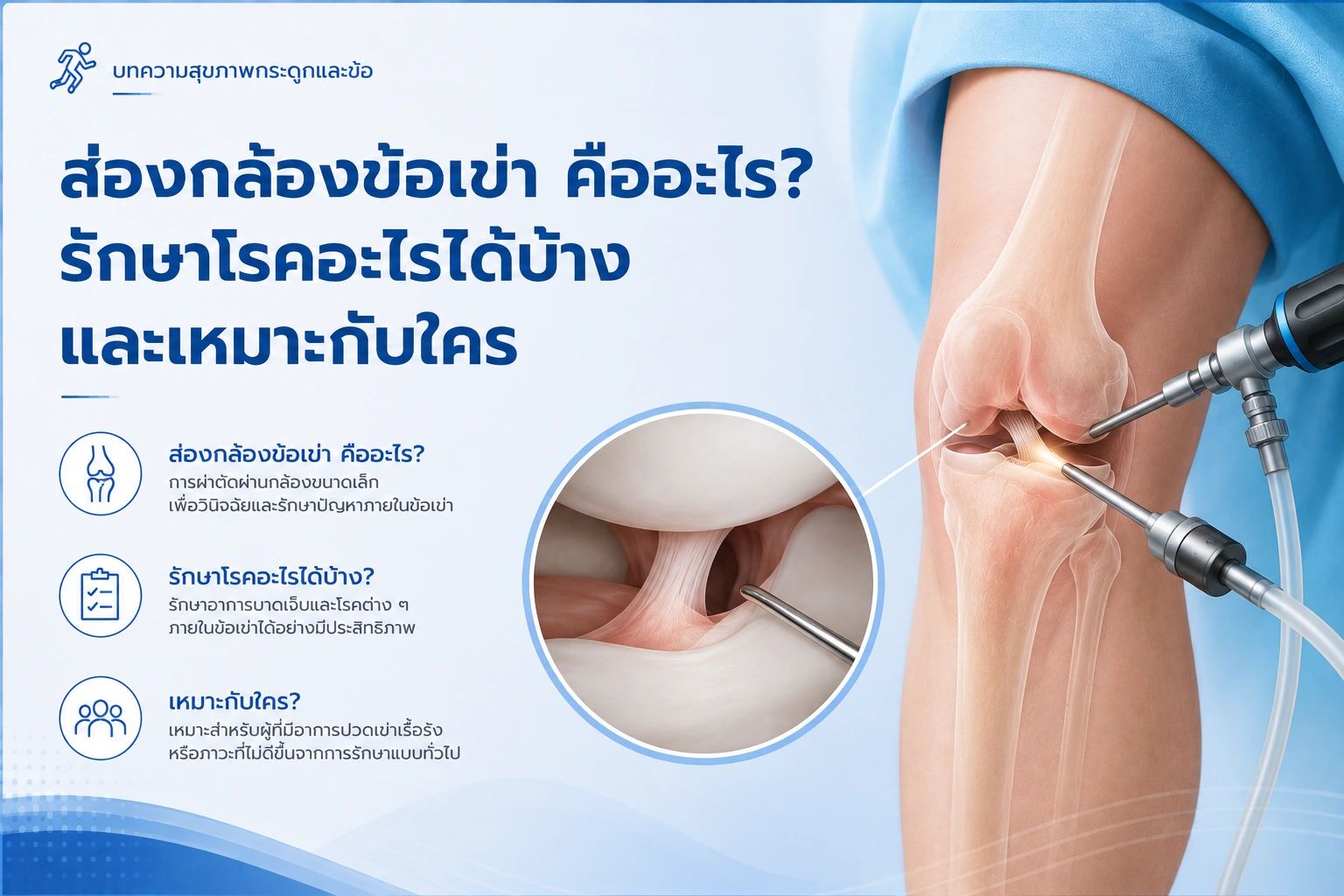
Knee arthroscopy, or Knee Arthroscopy or Knee Arthroscopy, is a treatment method that uses a small camera inserted through small incisions around the knee to allow the doctor to examine the internal structures of the knee and appropriately treat any abnormalities found.
This technique plays an important role in treating knee injuries, particularly in patients who have sustained sports-related injuries.
What Conditions Can Knee Arthroscopy Treat?
Knee arthroscopy can be used to treat various types of knee problems, such as:
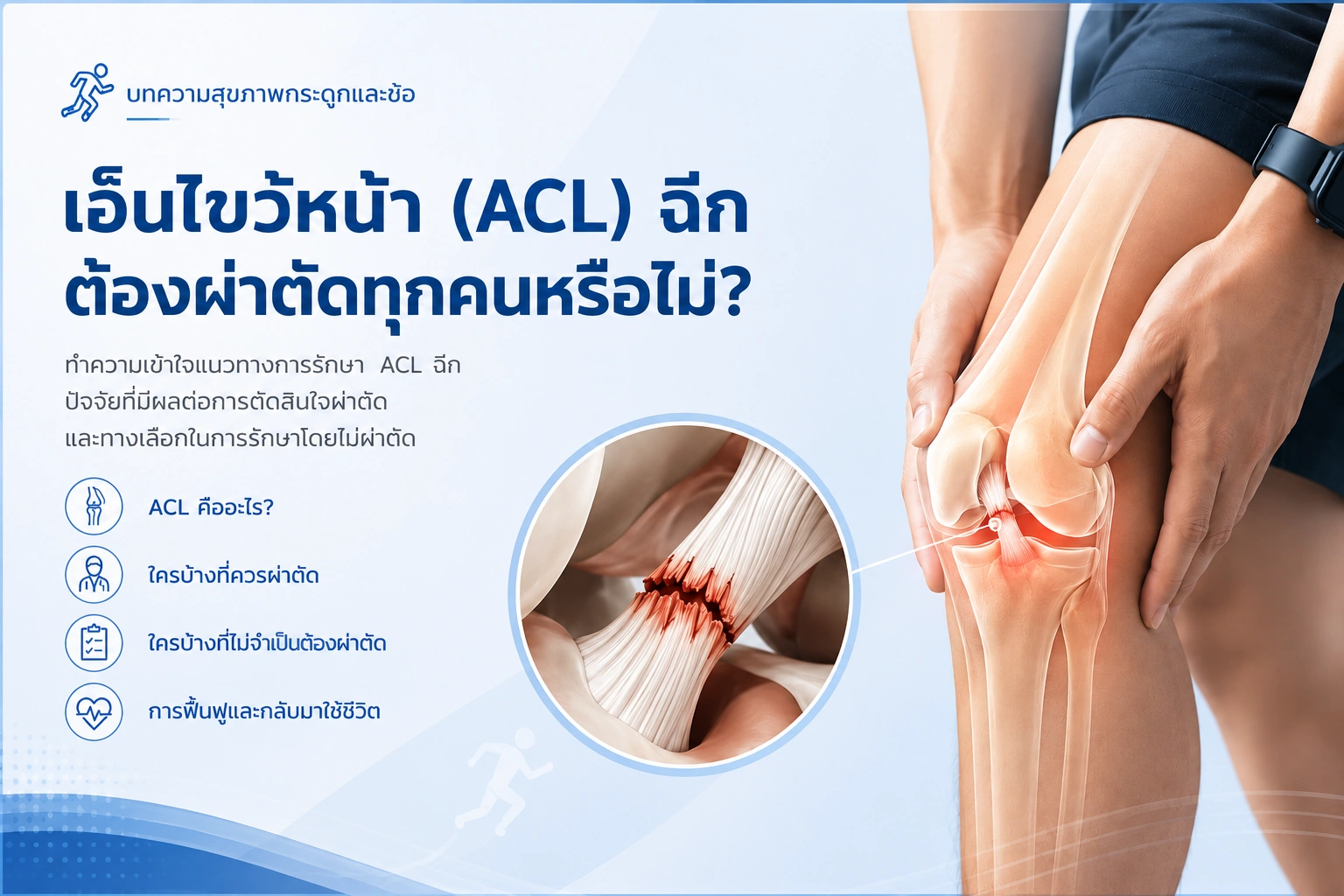
- Anterior cruciate ligament (ACL) injuries
- Posterior cruciate ligament (PCL) injuries PCL
- Meniscus tears
- Cartilage abnormalities
- Loose bodies within the knee joint
- Conditions causing knee pain or limited movement
- Sports-related injuries
Benefits of Knee Arthroscopy
Knee arthroscopy allows the doctor to directly examine the structures inside the knee joint, and in many cases, treatment can be performed through small incisions.
However, the choice of treatment depends on the type and severity of the injury, as well as the patient’s overall health and individual goals.
Who May Be Suitable for Arthroscopic Treatment?
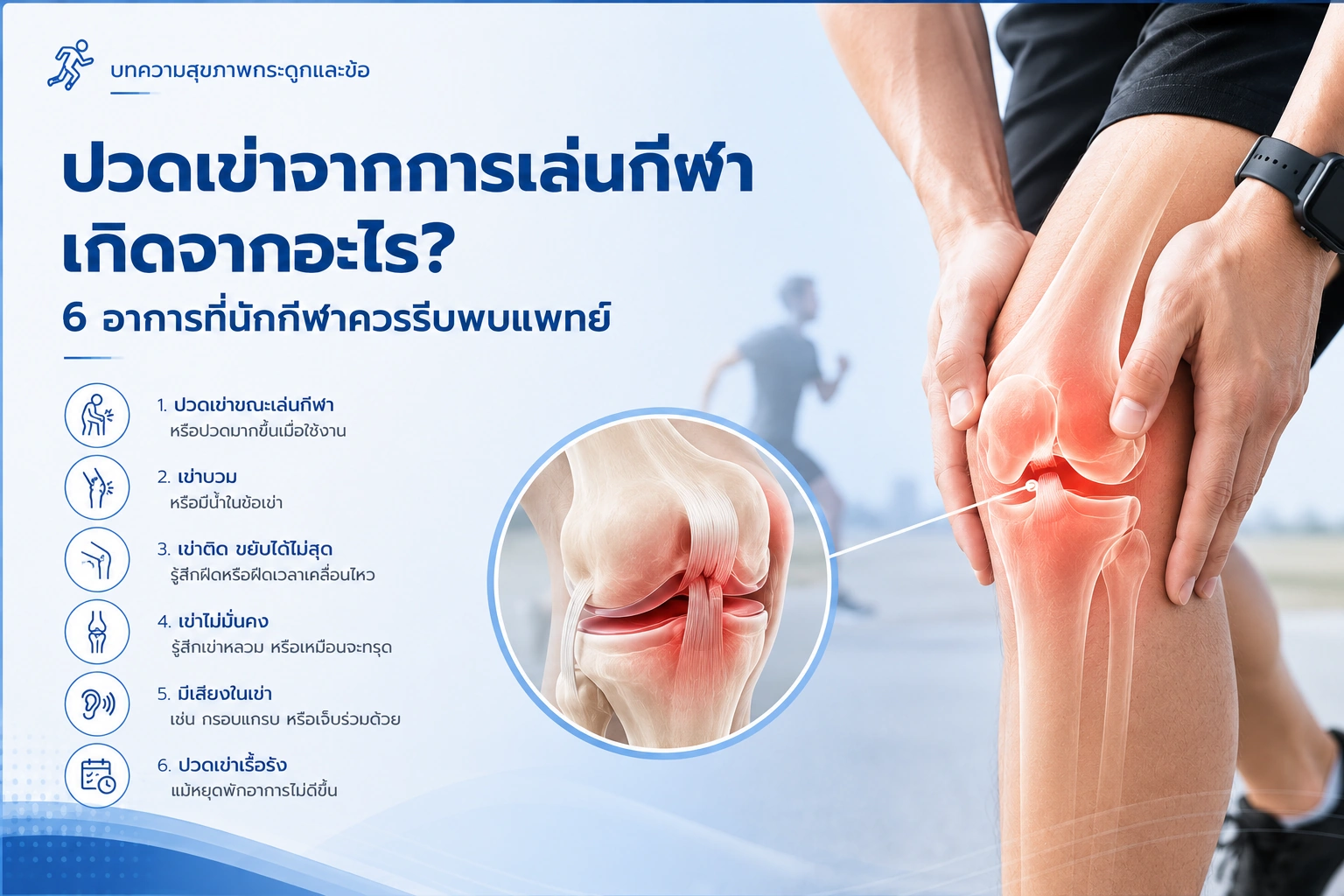
Patients who experience persistent knee pain, swelling, knee locking, or have been diagnosed with an injury to the structures inside the knee joint may be considered for arthroscopic treatment.
However, not every patient with knee pain requires surgery. The doctor will evaluate the patient’s medical history, symptoms, physical examination, and imaging results, such as X-rays or MRI, before planning treatment.
How Long Do You Need to Rest After Surgery?
Recovery time varies depending on the type of treatment. For some meniscus procedures, recovery may be relatively short, while ACL reconstruction or repair of structures inside the knee joint may require a longer recovery period.
Physical therapy and rehabilitation according to the doctor’s plan are important to help restore knee movement, improve muscle strength, and prepare the patient before returning to daily activities or sports.
When Should You See a Doctor?
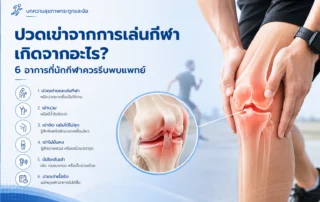
If you have persistent knee pain, swelling after sports, a feeling of knee locking, or are unable to return to your usual activities, you should seek a medical evaluation to determine the underlying cause.
Appropriate treatment should not be determined by MRI results alone. The doctor should consider the patient’s symptoms and individual goals when planning treatment.
Articles by the Doctor